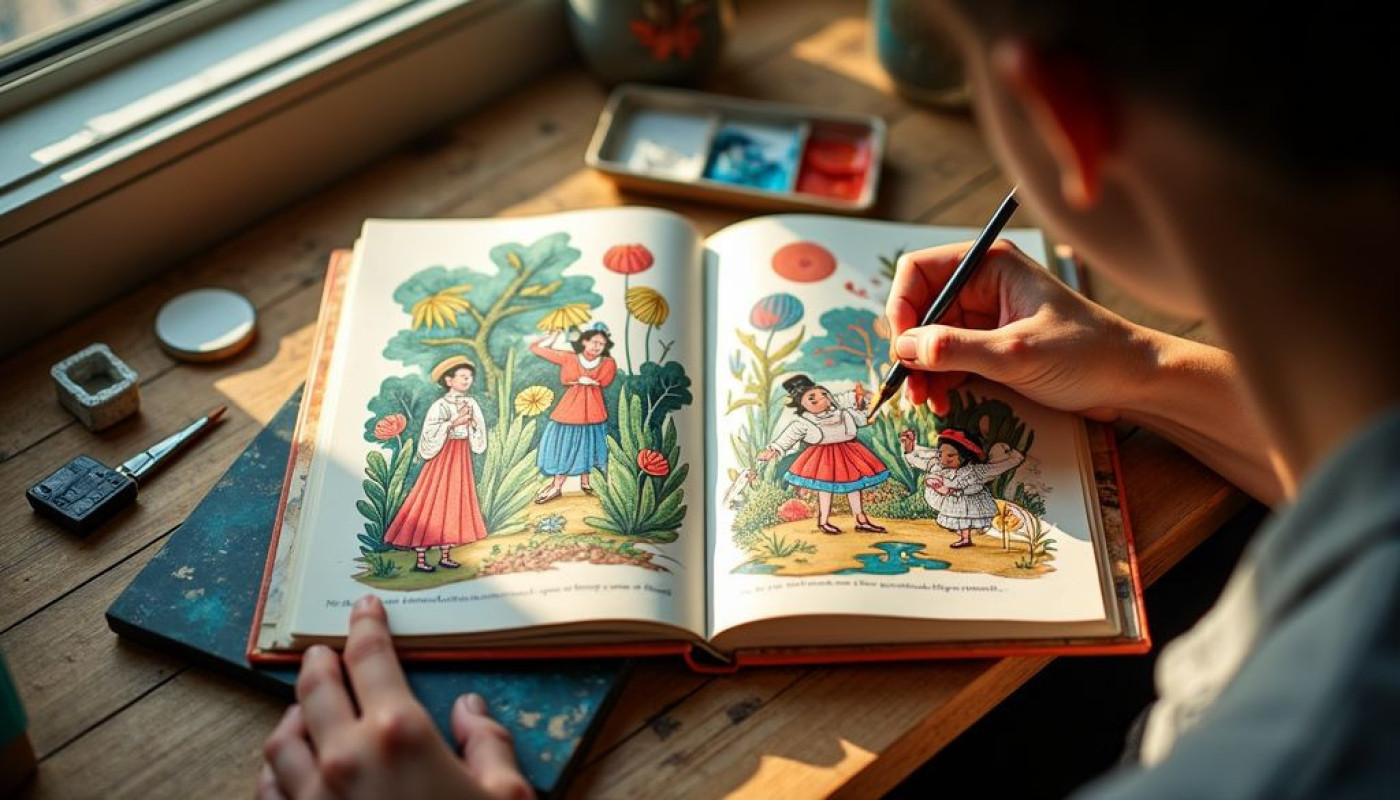
Table of contents
Arts and culture books serve as a powerful gateway to unlocking creative expression and imagination. Exploring these works not only broadens perspectives but also provides invaluable inspiration for artists, writers, and thinkers alike. Dive into the following sections to uncover how these books shape, influence, and elevate creativity across various disciplines.
Exploring diverse artistic traditions
Arts books serve as windows into the vast array of cultural traditions and creative techniques developed across the world. By immersing readers in artistic heritage from various continents and historical eras, these works provide essential context for understanding how styles and motifs have evolved through cross-cultural influences. Readers gain exposure to global art, from indigenous crafts to avant-garde movements, each reflecting unique societal values and philosophies. This exposure not only deepens appreciation for diverse aesthetics but also inspires individuals to experiment with unfamiliar materials, methods, and concepts in their own practice. Engaging with such a broad spectrum of artistic traditions encourages a more nuanced and innovative approach to creative expression, highlighting the enduring impact of cultural exchange on artistic development.
Inspiring new creative perspectives
Arts and culture books serve as a powerful source of creative inspiration by exposing readers to innovative ideas and diverse artistic vision. Through detailed explorations of various conceptual frameworks, these publications present unconventional methods and fresh approaches that challenge traditional thinking. By analyzing how transformative art movements emerged, readers gain access to alternative viewpoints that stimulate creative development. In this context, such books not only highlight breakthrough moments in art history, but also dissect the decision-making processes and unique perspectives of influential creators. This exposure encourages individuals to question established norms, experiment with bold techniques, and ultimately expand their own creative horizons, fostering a deeper engagement with the world of artistic innovation.
Documenting evolution of expression
Arts and culture books serve as vital records, capturing the transformation of artistic expression across centuries. By exploring these volumes, readers trace the origins and progression of art movements, from the Renaissance's classical revival to contemporary abstraction, always set within their unique historical context. These works illuminate evolving styles, showing how artists responded to political shifts, technological advancements, and shifting social values, thereby participating in an ongoing cultural evolution. The concept of the artistic paradigm becomes clear as books synthesize theories and philosophies that have shaped creative output, encouraging reflection on how each generation redefines beauty, meaning, and technique.
By consulting a diverse range of Books To Read, such as those found at https://indiebookspot.com/, readers deepen their understanding of how historical and cultural forces influence not only the artists but also the very language of art. Such resources are invaluable for grasping how artistic expression mirrors broader societal changes, further enriching one's appreciation for the interconnectedness of culture, history, and creativity.
Fostering self-expression and identity
Arts and culture books play a pivotal role in nurturing self-expression and shaping personal identity by presenting readers with a rich tapestry of cultural narratives and artistic individuality. Through the exploration of diverse expressions, stories, and philosophies found in these works, individuals embark on a creative journey that encourages introspection and a deeper understanding of their unique perspectives. Exposure to various artistic forms and cultural viewpoints not only broadens horizons but also inspires readers to experiment with new modes of self-expression, supporting the process of self-actualization. This engagement provides tools and frameworks for articulating one's thoughts, emotions, and values, empowering individuals to discover and refine their own voice. The synthesis of these influences contributes to the ongoing development of personal identity, as readers integrate insights from different traditions and philosophies into their own lives, thus enriching their capacity for authentic and meaningful creative expression.
Encouraging lifelong creative learning
Arts and culture books serve as a foundation for continuous professional development, nurturing creative growth and lifelong learning well beyond formal education. They provide readers with access to diverse artistic skills and methods, introducing new techniques, theoretical frameworks, and global perspectives. This ongoing exposure to cultural knowledge keeps both emerging and established creators inspired, enabling them to adapt and innovate in their disciplines over time. With each new reading experience, individuals refine their artistic abilities, gaining fresh insights that translate into more sophisticated forms of self-expression. Ongoing inspiration drawn from such literature ensures that artistic practice remains dynamic, evolving in response to shifting cultural and historical contexts.
Books focused on arts and culture not only transmit valuable information about established traditions and influential movements, but also foster environments where experimentation and creative risk-taking are encouraged. Readers are empowered to reflect on their own creative growth as they compare their work with that of renowned artists, analyze critical commentaries, and explore innovation through case studies. In this way, these resources become indispensable tools for those seeking to sustain artistic skills and motivation throughout their lives. The immersive nature of this reading journey supports a mindset oriented toward continuous learning, ensuring that artistic development never ceases regardless of age or background.
On the same subject

Exploring the Hidden Symbolism in Modern Abstract Art

The Hidden Language of Flowers in Art
